
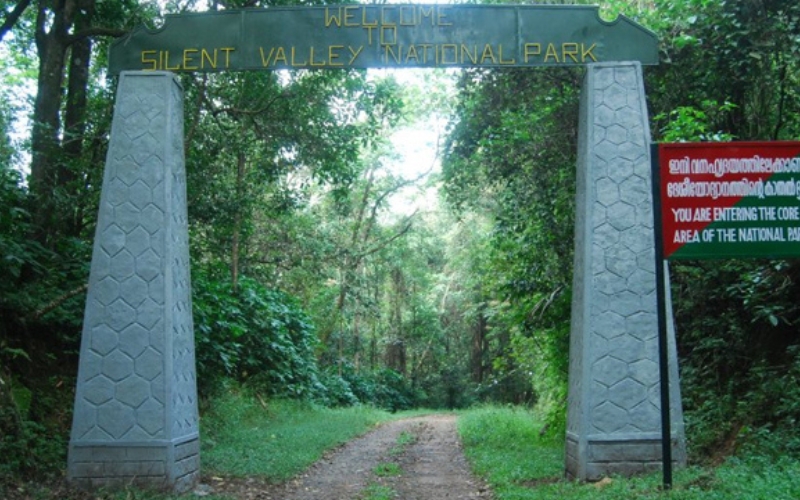
Silent Valley National Park: A Pristine Rainforest and Biodiversity Hotspot
Silent Valley National Park located in the Western Ghats of Kerala forms one of the wealthiest biodiverse and ecologically critical rainforests known to exist in India. To date, covering an estimated area of 90 square km, this sanctuary is almost an unprotected sylvan exhibition of rare and threatened species of both flora and fauna. It can be rightly termed as a “living museum” of all kinds of biodiversity. It is a completely untouched wilderness, nature’s haven, and a paradise for all nature lovers, wildlife enthusiasts, and those wanting to know the cool grandeur of one of the last virginal stretches of tropical rainforest in India today.
The park got its name from the Silent Valley stream that runs through the forest and is said to be one of the quietest, calmest places amid the beauty of nature. For this reason, human habitation is not allowed in the area, which also makes it a fitting place for all the nature lovers who want to immerse themselves in this untouched land.
History and Importance of Silent Valley
The Silent Valley was once part of a larger forest. In the past, people threatened to disturb it in 1970, with the construction of a hydel project to collect and control inflow from Kunthipuzha River as part of a scheme for a reservoir. Despite the opposition of a few scientists and environmentalists, the project was shelved at the instance of wildlife lovers. So, in 1984, the Silent Valley National Park came into existence, protected under the Wildlife Protection Act.